Section
Eagle Lake Fishing and Poland Travel Notes
Fishing notes for Eagle Lake Zone 5 plus practical travel and relocation advice for Poland, from the Baltic coast to everyday paperwork.
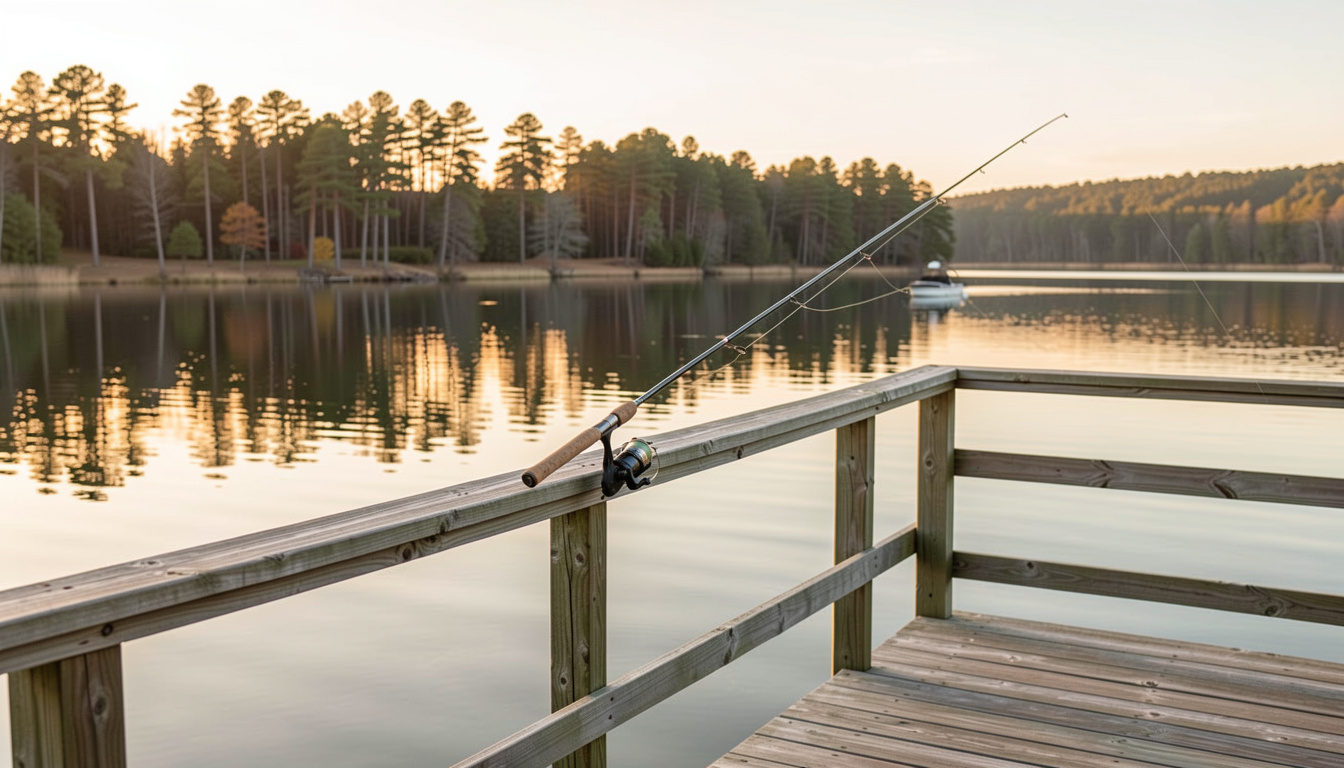
Eagle Lake in Zone 5 offers anglers a mix of walleye, northern pike, and smallmouth bass, with the best action in early morning and late evening. Fishing here is governed by Ontario regulations that set catch limits and seasons, so a quick check before you cast keeps the trip simple. For readers who also plan time in Europe, a practical resource on living and travelling in Poland covers costs, paperwork, and daily life without the usual clichés.
What should anglers know about Eagle Lake Zone 5?
Eagle Lake sits in northwestern Ontario, close to Vermilion Bay, and falls under Fisheries Management Zone 5. The zone rules apply to the whole lake, including its many bays and narrows. Anglers typically target walleye in deeper structure during the day and move shallower at dusk. Northern pike favour weedy back bays, especially in spring and early summer. Smallmouth bass relate to rocky points and islands.
A valid Ontario fishing licence is required for anyone over the age of 18 who is not a status Indian. Limits vary by species, and some waters have sanctuaries or closed seasons. Local tackle shops and the Ontario Ministry of Natural Resources and Forestry publish the current zone rules each year. Ice fishing is popular in winter, but safety on the ice depends on the season and local conditions.
Boating anglers should watch for marked channels and rock hazards, since the lake has a reputation for sudden shallows. A depth finder and a paper map remain useful backups when electronics fail.
How do you plan a trip that combines Ontario fishing and Poland travel?
A trip that mixes Canadian fishing with European travel works best when each leg is planned separately. Ontario fishing trips are usually booked around the open-water season, from the May long weekend through September, with peak comfort in July and August. Flights to Winnipeg or Thunder Bay, followed by a drive to Vermilion Bay, are the common route.
For the Poland leg, the practical questions are different: how to get around, what things cost, and how to handle everyday bureaucracy. A resource like polen-forum.com gathers plain-language guidance on those topics, from the PESEL number and health insurance to the culture check, aimed at people who visit, move, or simply want a clearer picture of the country. That kind of background reading helps travellers avoid surprises and plan a realistic budget.
Timing matters. Poland is pleasant from late spring to early autumn, while Ontario fishing peaks in the same window. Splitting the year between the two is possible, but it takes planning around seasons, visas, and transport.
What does moving to Poland involve for EU citizens?
Moving to Poland as an EU citizen involves registration, paperwork, and a few predictable costs. The PESEL number is the base for many administrative tasks, from opening a bank account to signing certain contracts. Health insurance can come through employment, a private policy, or the public system, depending on your status. The labour market varies by region, with strong demand in IT, logistics, manufacturing, and services in larger cities.
Housing costs differ widely. Warsaw and Kraków are the most expensive, while smaller cities and rural areas remain more affordable. Renting usually requires a deposit and a signed contract, and buying property involves a notary, a land registry entry, and additional fees. EU citizens can buy residential property without special permits, but the process still follows Polish rules step by step.
The currency is the złoty, and daily life runs on cash and cards alike. Shipping, banking, and utilities each have their own procedures. Reading up on these details before the move reduces friction once you arrive.
Where can you find reliable information about Poland?
Reliable information about Poland comes from a mix of official sources, media, and community knowledge. Government offices publish rules on registration, taxes, and health insurance. Established media outlets report on the economy and politics. Local forums and guides fill in the practical gaps: how to pronounce place names, what to expect at a notary, how the Baltic coast looks between Usedom and Łeba.
The Baltic coast itself is a major draw, with fine sand, shallow water, and holiday homes that often include a sauna. The region between the Oder and the Vistula covers a wide range of landscapes, from coastal towns to historic cities and rural areas. A guide that avoids clichés and stays close to daily life is more useful than a glossy brochure.
For anyone weighing a visit or a longer stay, the key is to cross-check official rules with practical accounts from people who have done it.
How does the Baltic coast compare with northwestern Ontario lakes?
The Baltic coast and northwestern Ontario lakes offer different kinds of outdoor time. The Baltic is known for wide, sandy beaches, shallow water, and a cool climate. Summer crowds gather in resort towns, and holiday homes with saunas are common. The season is short but lively.
Eagle Lake and the surrounding Sunset Country are quieter. The water is fresh, the shoreline is forested, and the main activities are fishing, boating, and wildlife watching. Amenities are fewer, and travel between towns takes longer. Both regions reward visitors who plan around the weather and respect local rules.
For anglers, Ontario offers species like walleye and pike. For beachgoers and families, the Baltic offers gentle surf and a well-developed holiday infrastructure. Choosing between them depends on whether you want a fishing rod or a beach towel.
What should you check before booking either trip?
Before booking, check documents, seasons, and local rules. For Ontario, confirm your fishing licence, zone regulations, and any sanctuary closures. For Poland, confirm your registration requirements, insurance, and accommodation terms. Travel insurance is useful in both cases, especially for outdoor activities.
Budget for transport, food, and permits. In Ontario, a fishing trip often includes a boat rental, fuel, and bait. In Poland, costs include flights, trains or rental cars, and daily expenses in złoty. Booking early helps during peak season.
Finally, read a few first-hand accounts. They reveal the small details that official pages leave out, from the best time to launch a boat to the fastest way to sort out a PESEL appointment.
Why does local knowledge matter for both destinations?
Local knowledge saves time and money in both places. On Eagle Lake, knowing which bays hold pike in June or where walleye suspend in August comes from experience or a good guide. In Poland, knowing how to read a lease, which office handles registration, or how to greet a neighbour in Polish makes daily life smoother.
Guides and forums exist because official information rarely covers everything. They translate rules into practice. For travellers and newcomers, that translation is often the difference between a frustrating week and a good one.
Whether the goal is a limit of walleye or a smooth move to Kraków, the pattern is the same: learn the rules, ask people who have done it, and leave room for the unexpected.