Planning a Trip to Eagle Lake
Plan a fishing trip to Eagle Lake from the US, covering routes to Vermilion Bay, border rules for boats, lodging basics and seasonal timing tips.

You plan a fishing trip to Eagle Lake and Vermilion Bay and you want clear answers on routes, border documents, timing and daily preparation on the water. The regional visitor page for Sunset Country provides context for that trip with more than 70,000 lakes, rivers and streams and more than 250 lodges and other tourism businesses accessible by road, water or air, but it publishes no turn-by-turn route to Eagle Lake, no border checklist and no launch notes for Vermilion Bay.
Where Eagle Lake fits in a very large water region
Sunset Country is described as a vast wilderness in Ontario for anglers, hunters, campers and families, and Eagle Lake and Vermilion Bay sit within that broader setting. The page does not map the lake or the town and it gives no distance between them. Its value is scale. With more than 70,000 lakes, rivers and streams in the regional count, you learn to choose a single body of water and organize fuel, food and fishing time around it. You fish Eagle Lake, you base yourself near Vermilion Bay, and you treat nearby waters as backup rather than daily travel. The page gives no local road names, access fees or water levels, so use it for orientation and confirm the final miles locally.
How do you reach your stay by road, water or air?
The page repeats one useful line. Stays can be reached by driving, by boating or by flying, including remote wilderness cabins. Decide your mode before you book because it shapes gear and resupply. Driving keeps your vehicle and trailer with you. Boating shifts the focus to load, weather and water. Flying in limits weight and forces tight choices on tackle and food. The lodging forms follow the same logic, from drive-accessible sites to boat-access cabins and fly-in outposts, plus RV parks and floating houseboats. The page names no bases, carriers or road conditions for Eagle Lake, so use the three modes as a filter and confirm the exact arrival plan with your stay.
What does the page say about border formalities?
The page places Sunset Country just north of the Minnesota-Ontario border and calls it close for United States visitors. It publishes no border checklist and no detail on identification documents, vehicle or boat papers, customs hours, food, bait or firearms rules. That gap matters because one crossing controls a full week of driving, launching and fishing. Read the page only for general direction and proximity. Build document, declaration and gear lists from official border and transport sources that carry document names and dates. Do not read ease of travel as a statement about controls.
When should you time your fishing visit?
Timing the trip from the page alone is not possible. It publishes no fishing seasons, opening days, ice-out timing or monthly patterns for Eagle Lake. It invites readers to subscribe to a newsletter for seasonal fishing reports and travel tips, and it lists events and festivals from open-air concerts to drag racing to fishing tournaments. Timing therefore has two parts, fish activity and community calendars. You can consult the regional visitor hub to check current notes and event listings, then fit them to your travel window, lodging availability and days on the water. The page on events around the lake explains what a derby week does to launches and beds. Treat the absence of dates as a stop sign and use current zone rules for season, limit and licence questions.
What kind of stay fits your fishing plan?
The page counts more than 250 lodges, resorts and campgrounds across the region and names the main forms. You can compare all-inclusive American Plan lodges, rustic outpost cabins, campgrounds that range from full-service sites with modern amenities to secluded forest clearings, and floating houseboats that keep cabin comforts on the water. A lodge with meals tightens your schedule. An outpost trades services for quiet water. An RV site keeps you mobile between launches. A houseboat puts you overnight near remote fishing spots, hidden beaches and tranquil coves. Start from access mode and party size, then read the road access notes for Vermilion Bay to match lodging with daily travel. When the choice is between a lodge on the water and a town base, the notes on how a river town stay differs from a lodge week set the two forms side by side.
How do you prepare for days on the water?
The page lists walleye, northern pike, muskie, lake trout, bass and more as the regional catch, so plan for varied water rather than one pattern. You will change depth, cover and presentation through the day. The page also describes canoe and kayak travel from peaceful day trips to multi-day expeditions in boreal backcountry, with routes linked to Wabakimi, Quetico and Woodland Caribou Provincial Parks. That note helps even on a motorboat trip because it underlines careful routing on large quiet waters. The page gives no charts, launches, hazards, bait rules or limits for Eagle Lake, so pair its species list with the navigation notes for Eagle Lake and current zone rules before you load the boat.
What services can you line up before you leave?
Before you drive north, note the everyday services the page lists, places to buy gas, groceries, meals, bait and tackle, plus other retailers and service providers. Separate what you carry across the border from what you buy near the water, especially fuel, food and terminal tackle. The page also offers a free Travel Guide and Map by mail and an accommodation finder by access mode. It gives no store hours, fuel stops near Vermilion Bay or stock lists, so build a contact list from those tools and call ahead for hours and availability in your travel window.
The regional visitor site presents Sunset Country in Ontario as a wilderness area for anglers, hunters, campers and families. It lists lodging, fishing, hunting, paddling, campgrounds, houseboats, retailers, services and events, plus a free Travel Guide and Map and a newsletter. Use its accommodation finder and guide request to shape your Eagle Lake shortlist and confirm details locally.
Before booking, list the nights you actually need and what each one requires: a bed after a late drive, a kitchen for the meals you plan to cook, laundry for wet gear, or a host who knows the town. A served breakfast suits early starts and no cooking; a cottage suits groups spreading out rods and coolers. Budget matters less than how many meals you will make and how early you leave. For a worked comparison of both models, see planning the nights of a trip before you commit.
Every page in Trip Planning
-
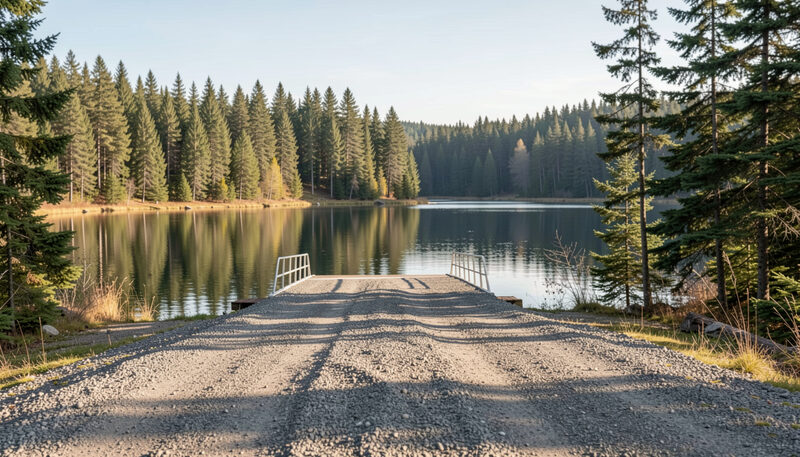
Getting to Eagle Lake and Vermilion Bay
Follow Highway 17 to Vermilion Bay and Eagle Lake access points, with driving distances, fuel stops, launches and border crossing basics for US anglers.
-
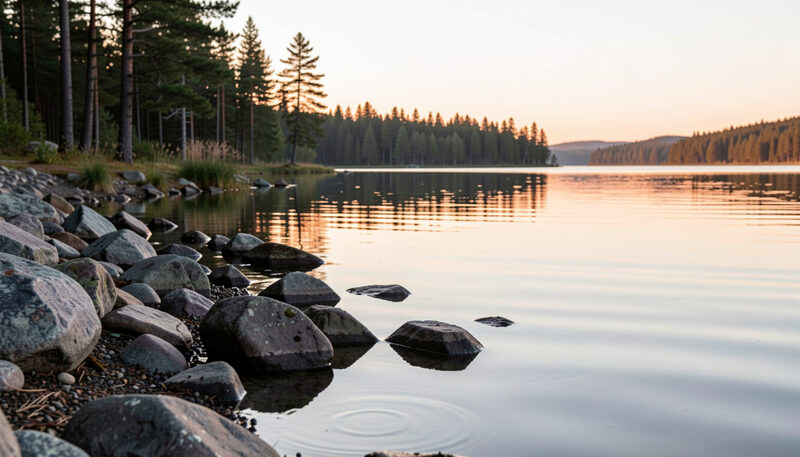
Gallery Eagle Lake Through the Seasons
Browse Eagle Lake scenes across open water, fall colours, freeze up and spring thaw, showing shoreline, docks and forest landscapes through the year.
-
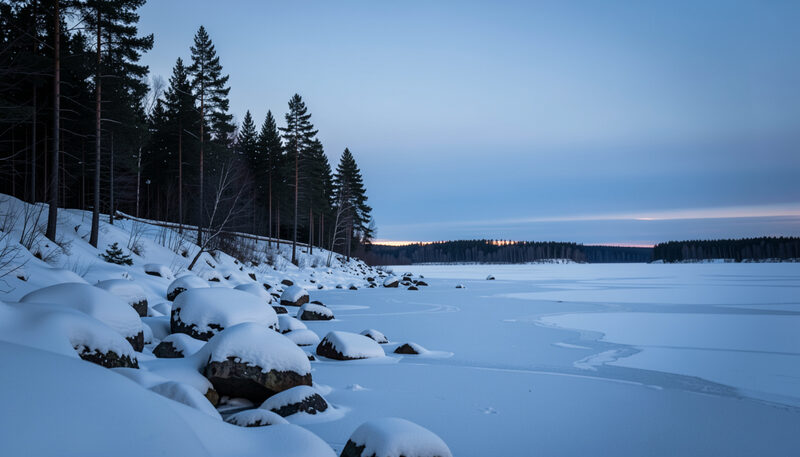
Eagle Lake Photo Album Through the Seasons
See Eagle Lake in summer calm, autumn mist, winter ice and spring breakup, with quiet bays, rocky points and boreal forest views in every season.
-
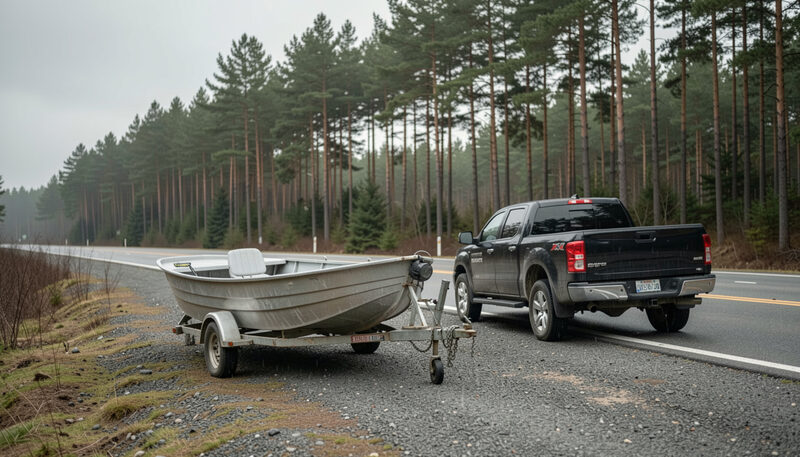
US Visitors Bringing Boats Into Ontario
Prepare US anglers for crossing into Ontario with boats, motors and fishing gear, including licences, bait limits and firearms declaration rules.
-
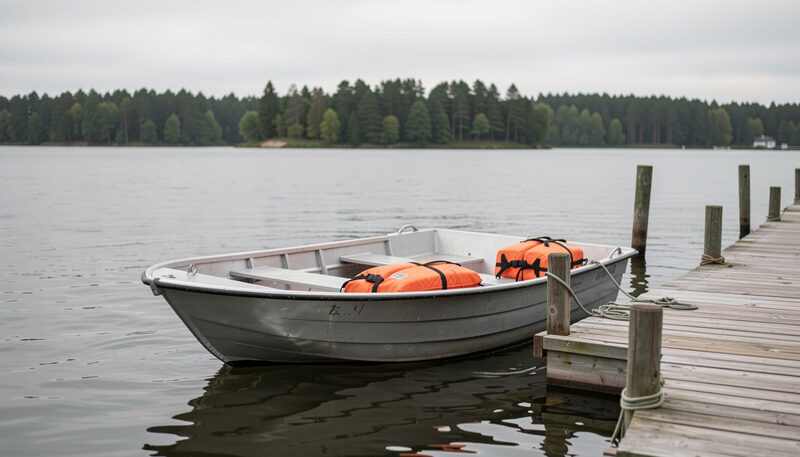
Boating Safety Tips for Eagle Lake
Stay safe on big northern lakes with checklists for lifejackets, navigation lights, weather checks, cold water risks and emergency gear to carry.
-

Choosing a Base for a Week of Fishing
What a good fishing base needs for a week on the water, and how a river town stay like Ballina differs from a lake lodge week.
-
Rainy Evening Card Games at the Cabin
What anglers play on a rained out evening around Eagle Lake, how Euchre and its cousins are scored, and what a cabin card drawer should hold.
-
Hosting the Evening at a Fishing Cabin
How a group of anglers runs the evening at a rented cabin, from food that cooks fast to glassware, pours and a pace the next morning forgives.
-
A Cabin Checklist for Shoulder Season
What to check in a cabin around Eagle Lake before a spring or autumn stay, from access and heat to water, light and the booking window.
-
Putting Up the Garden Before Freeze-Up
What a northern garden gives at season's end, which vegetables are worth putting up, and where the salt and acidity figures are published.
-
Storing a Season of Photos and Video After a Trip
What a week of fishing photographs and video weighs, where it should land first, and how to keep a laptop from filling before the next trip.
-
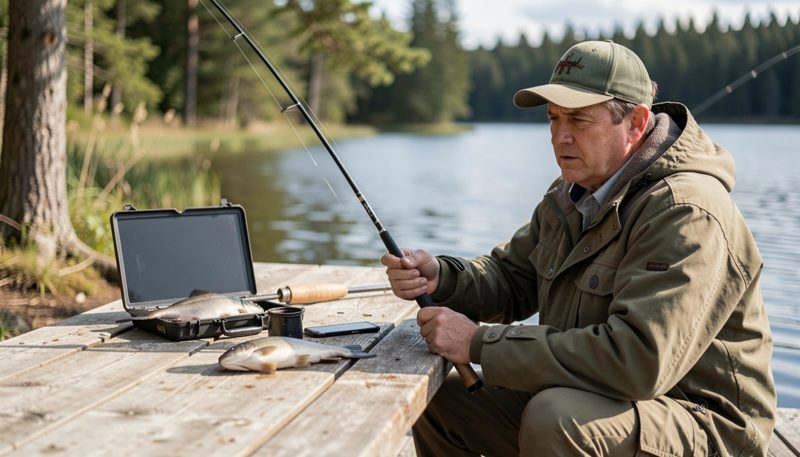
Recording a Season on the Water
How to keep a fishing season on the record with dated notes, photographs and sources a reader can check later, and why the habit pays.
-
Accessible Outings on the Water
How a fishing outing is planned for an adult who needs support, from calm water and access to pace, and where the rules on accessibility sit.
-
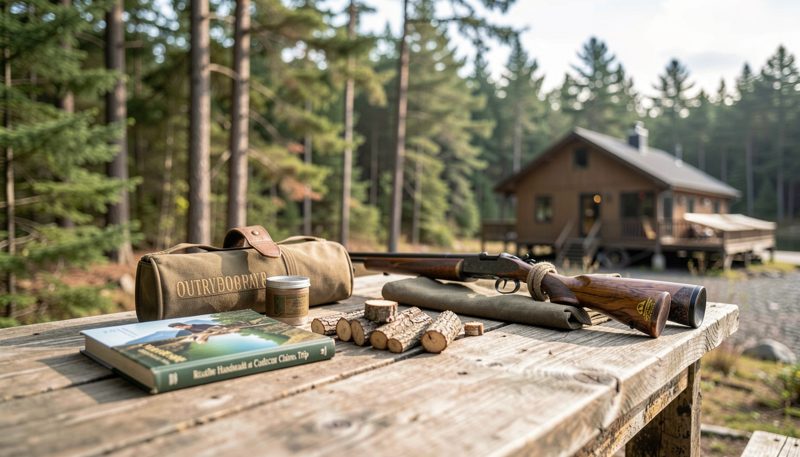
Reading Handmade and Collector Claims on a Trip
How to read quality claims on handmade and collector souvenirs, from amber tests to painted marks, and what a verifiable claim sounds like.
-
B&B or Self-Catering for a Week on the Water
How a guest house tariff in Alnwick works, what a Northumberland breakfast includes, and how that choice reads for a fishing week near Vermilion Bay.
-
Reading Kuelap, Revash and a Lake Trip Kit
How walkers reach Kuelap and read Revash, and what a humid cloud-forest walk asks of a kit compared with a northern lake trip.
-
Silence on the Water and on Retreat
What happens on a silent retreat, how to prepare a first weekend, and how a directed retreat differs from a preached one.
-
A Week Built Around a Practice, on Water or in a Studio
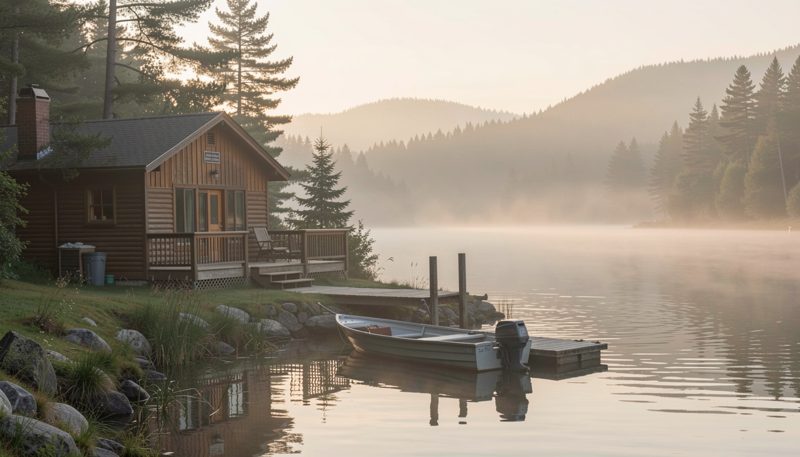
How a residential week is organised around a practice, from dated art workshops at a Dordogne chateau to the packing and rhythm of a fishing or hunting week.
-
Preparing a Trip Abroad, and a First Fishing Week
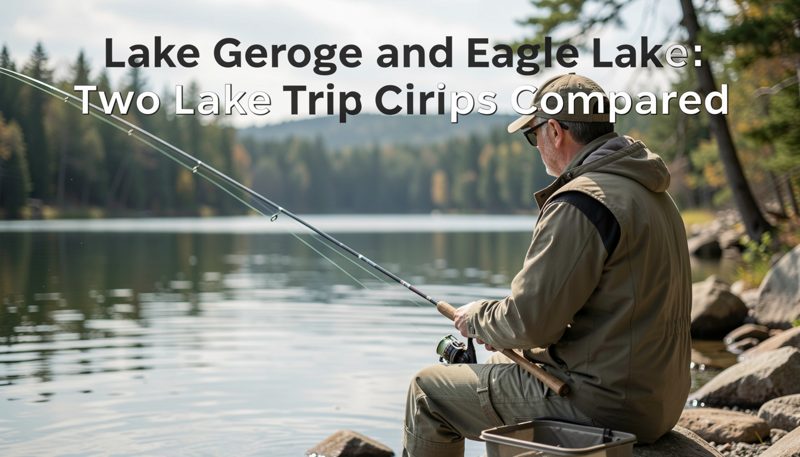
How a trip abroad is prepared: bookings, documents, dates and comparing destinations, read beside planning a first fishing week in Northwestern Ontario.
-
A Building That Stays Standing
Kobe Mosque opened in 1935, funded by Indian traders and designed by a Czech architect. What keeps a small northern hall in use through winter.
-
Rest That Is Practised, Not Bought
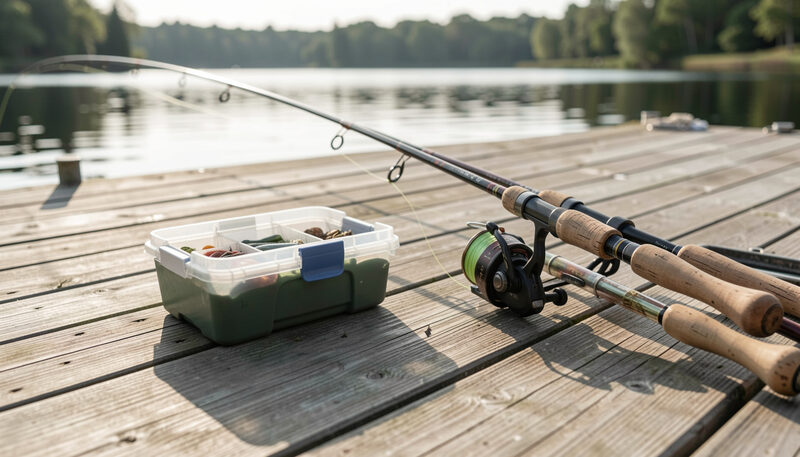
Fasting, rituals, sleep hygiene and forest bathing by Lake Constance and Lake Zurich, set beside the early starts of a fishing week in Northwestern Ontario.
-
Long Stays, Full Seasons: Packing for a Routine Not Your Own
A long volunteer stay in Senegal and a full season at a northern cabin ask the same questions: water, heat, health, homesickness and rhythm.
-
Bathing and Walking as Body Discipline
How a hot spring is read and used, from the continuous-flow bath and yukata to spa-town walks, set against the cold-water discipline of a northern lake.


