Zone 5 Fishing Around Eagle Lake
Learn how Zone 5 limits, seasons and slot rules apply around Eagle Lake and Vermilion Bay, with links to official Ontario regulation summaries.

You learn to read Zone 5 as a set of separate entries for seasons, catch limits and size rules, then you match Eagle Lake water to the right entry. This note shows how those entries work and where the current text lives before travel.
Start With the Zone Entry Before the Lake Name
The provincial source presents itself as an annual guide to recreational fishing rules in Ontario, with information on licences, open seasons and catch limits and with current regulations for each fishing zone. That structure matters because a lake name alone does not tell you the rule. You need the zone, the species, the date and the licence class together before you decide whether you can fish, keep or release. The cited page does not publish Zone 5 season dates or Zone 5 catch numbers in this note, so you cannot take a number from this note. You can use this note to understand what each column asks you to do when you open the Zone 5 pages.
What Does a Season Entry Ask You to Check?
A season entry asks you three things at once: which species, which waters and which dates. You read across the line instead of reading down a list of fish. One line can cover general Zone 5 waters while another line sets a different rule for named waters, so you stay on the line that matches where your boat sits. This note does not give the opening day or closing day for any Zone 5 species, and it does not give a calendar table for Eagle Lake, so this note names no date. You also check whether the entry speaks in terms of open season, closed season or a variation order, because the wording controls whether fishing is allowed at all. If you need background on how Ontario structures those dates by species, the walleye season entries show the same approach: reading the species, water and date together.
How Do Catch Limits Stay Separate by Licence and Species?
Catch limits stay separate because the licence class and the species change the number you may keep. Ontario uses sport and conservation licence categories in its system, and the zone tables apply different keep numbers to each category. You therefore read the species row first and then move to the column that matches the licence you hold. Possession limits and daily catch limits also stay distinct in Ontario practice, and mixing them creates the most common reading error. This note does not publish a Zone 5 keep number for walleye, pike or any other Eagle Lake species, so this note gives no number and no size threshold. You take the method, not a figure, from this page. You confirm the figure itself in the current zone table on the day you check.
Where Do Size Rules Sit When a Zone Uses Them?
Size rules appear in the same zone entry when they apply, often as a slot, minimum or maximum tied to the limit. You read them as conditions for keeping fish, not as advice on what bites. If no size line appears for your species and water, you do not supply one from memory or from another zone. The provincial text that organizes these entries is the annual fishing regulations summary effective January 1, 2026, and it places licences, seasons, limits and zone rules in one document. This note does not publish a Zone 5 size range for Eagle Lake fish, so this note states no length in inches or centimetres. You treat a blank size cell as providing no additional information, then you look for any separate variation order that might alter that cell before your trip.
Why Does the Summary Call Itself a Reference Only?
The summary calls itself a convenient reference only and states that it is neither a legal document nor a complete collection of current laws. That language tells you why you must trace a rule back when money, court or seizure could follow. For full detail it points to federal law including the Fisheries Act, the Aquatic Invasive Species Regulations, the Ontario Fishery Regulations, variation orders and the Species at Risk Act, and to provincial law including the Fish and Wildlife Conservation Act and regulations, the Invasive Species Act and regulations, and the Endangered Species Act. You do not need to read all those laws to plan a day, but you need to know that the summary does not replace them. Advertising proceeds support fish and wildlife management programs in Ontario, while the Province does not endorse advertised products or services and accepts no liability from their use.
How Do You Verify a 2026 Change Before Travel?
You verify a 2026 change through the update channel rather than through a saved copy. The source points readers to fishing notices and updates for 2026 changes, which is where to look after the January 1 effective date. Related tools on the same site include the zone overview map, search for licence issuers, search for ServiceOntario locations that issue licences, buying a licence online, Learn to Fish, Fishing in Ontario, Fish ON-Line, getting an Outdoors Card and a Chinese language edition of the summary. Those tools answer different questions, so you pick the one that matches your gap. If you are unsure about card type or whether to use paper or online proof, the licence and card options explain the same choice in trip terms. This note does not publish which Zone 5 lines changed for 2026, so this note cannot list them.
What Do Maps, Issuers and Online Tools Add?
Maps, issuers and online tools add the boundary and access detail that a regulation line cannot carry. The maps in the summary are intended only as guides, with more detailed maps of zone boundaries available through Fishing or local ministry centres. That wording determines how you use a boundary map. You treat the printed zone outline as orientation and then confirm the exact line in the detailed source before you fish near an edge. Fish ON-Line helps you plan the next trip by water, while issuer search and ServiceOntario search help you find where licences are sold and where to buy online when you come from the United States. The page does not publish a road address, a phone number for licensing or a named launch for Eagle Lake, so this note gives none.
The same discipline applies to any mountain trip, whether the water is in northwestern Ontario or the Alps. A boundary line on a map is orientation, not confirmation, and the same holds for trail markings, hut bookings and transport timetables. A German language guide to the Swiss mountains, Firnlinie, covers that ground in detail: yellow and white red white blazes, the SAC scale from T1 to T6, walking time estimates, CAS hut reservations, dormitory nights, bivouacs, afternoon storms, avalanche bulletins and the first and last cable car runs. Anglers who hike into backcountry lakes will recognise the routine.
About the cited source. The cited page is the Ontario Fishing Regulations Summary on ontario.ca, an annual guide to recreational fishing rules in Ontario effective January 1, 2026.
It contains information about recreational fishing licences, open seasons and catch limits and current fishing regulations for each fishing zone, with a downloadable file and links to zone maps, issuer search and online licence purchase.
It states that it is a convenient reference only and points to federal and provincial fishing laws for complete rules. To report resource abuse, call 1-877-847-7667 before your next Zone 5 check.
Every page in Fishing Zone 5
-
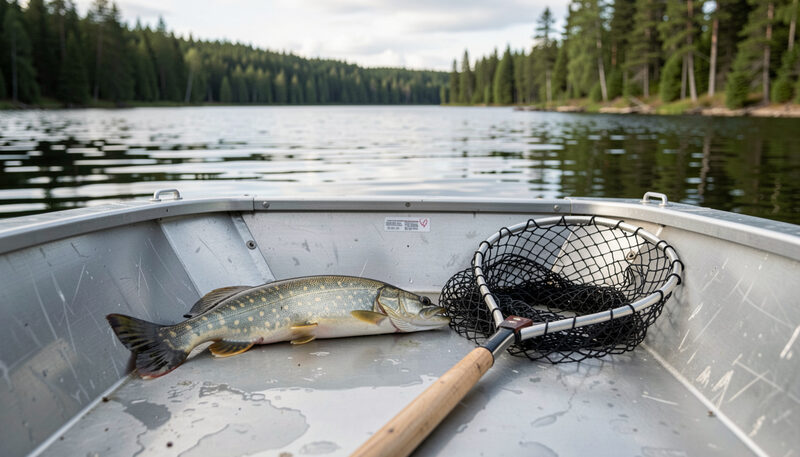
Fishing Regulations for Eagle Lake in Zone 5
Find walleye, pike and trout limits, size rules and open seasons for Fisheries Management Zone 5, with guidance for checking current Ontario updates.
-
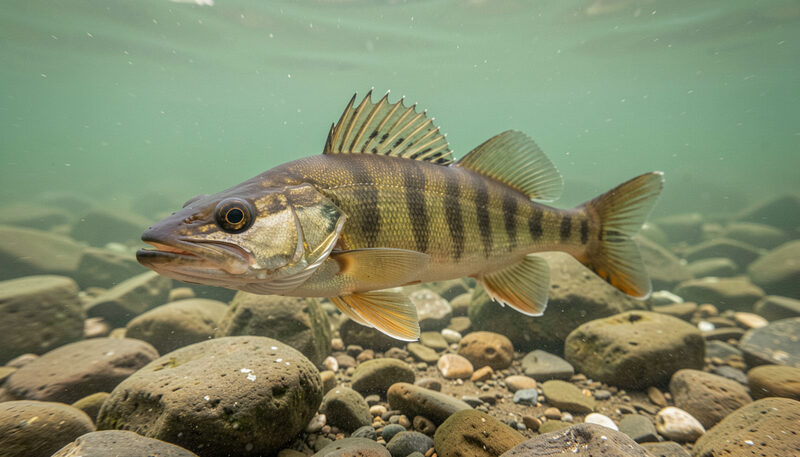
Walleye Seasons and Limits Near Eagle Lake
Check walleye open seasons, size limits and possession rules for Zone 5 lakes, plus tips for reading regulation tables before an Eagle Lake trip.
-
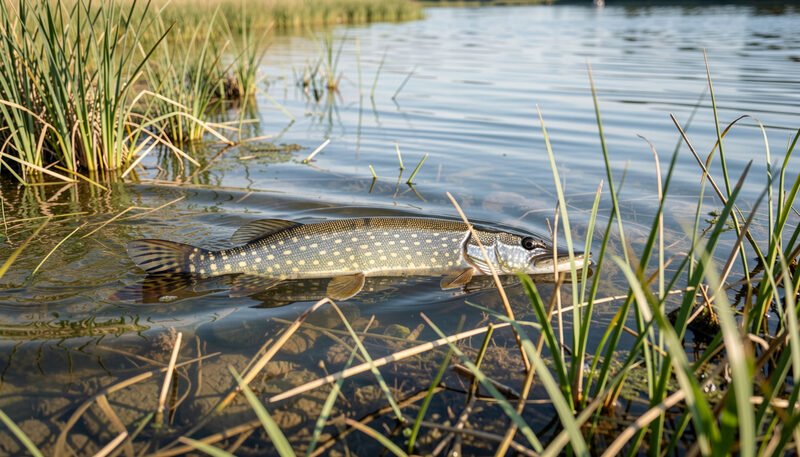
Pike and Muskie Fishing Near Vermilion Bay
Compare northern pike and muskie seasons, size rules and handling tips for Eagle Lake, with notes on catch and release best practices in Ontario.
-
Ontario Fishing Licences and Outdoors Cards
Learn which Ontario fishing licence and Outdoors Card US visitors need, where to buy them, what they cost and how to carry proof while fishing.
-
Live Bait Rules in Northwestern Ontario
Understand live bait rules, permitted species, transport and disposal steps, plus Bait Management Zone restrictions affecting Vermilion Bay anglers.
-
Eagle Lake Ice Out and Spring Fishing
Track typical Eagle Lake ice out dates, what drives spring thaw and how water temperature shapes early season walleye and pike fishing success.
-
Reading Water: Currents, Wind and Clarity
How wind, moving water and clarity shape a fishing day on Eagle Lake, and what reading the surface borrows from moving water everywhere.
-
Lake George and Eagle Lake: Two Lake Trips Compared
What a Lake George and Adirondacks trip looks like beside a Zone 5 fishing week at Eagle Lake, from access and seasons to how each region is run.
-
Shoreline Planting and Runoff Around a Lake Lot
How shoreline planting, hard surfaces and runoff reach lake water, and what a lot owner can plan before calling in a landscape professional.
-
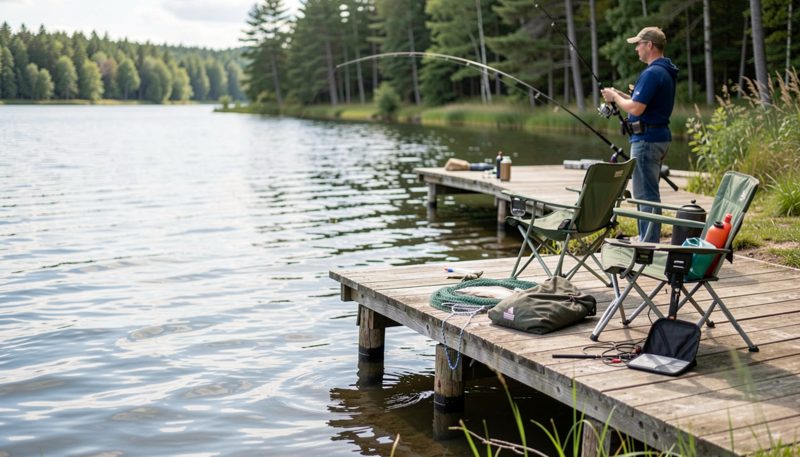
Fishing Derbies and Lake Events Around Vermilion Bay
How a season of derbies and lake events is organised around Eagle Lake, what an entry changes at the launches, and how to plan around a date.
-
Reading Alghero's Walls from the Water
A guide to Alghero's walls, bastions, cathedral and gulf towers, seasonal coastal access and Neptune's cave, read beside what a harbour shows an angler.
-
Reading Stone and Shoreline: Sagres, Milreu, Paderne
How archaeologists read materials against tradition at Sagres, Milreu and Paderne, and how anglers apply the same habit to rock, cribs and shorelines on Eagle
-
Reading a Place Through Four Seasons
How a palace, park and river valley read across the year, and what keeps a cultural calendar going, set beside a northern lake and its village.
-
Reading Water to Choose a Surface Lure
How wooden plug families sit in calm water and current, how to read bars, rips and troughs, and what changes at night on a big northern lake.


