Section
Hockey in Northwestern Ontario: From Lake Ice to League Play
Hockey shapes winter in Sunset Country. Learn how the game works, what gear matters, and how players prepare for cold-weather play on and off the ice.
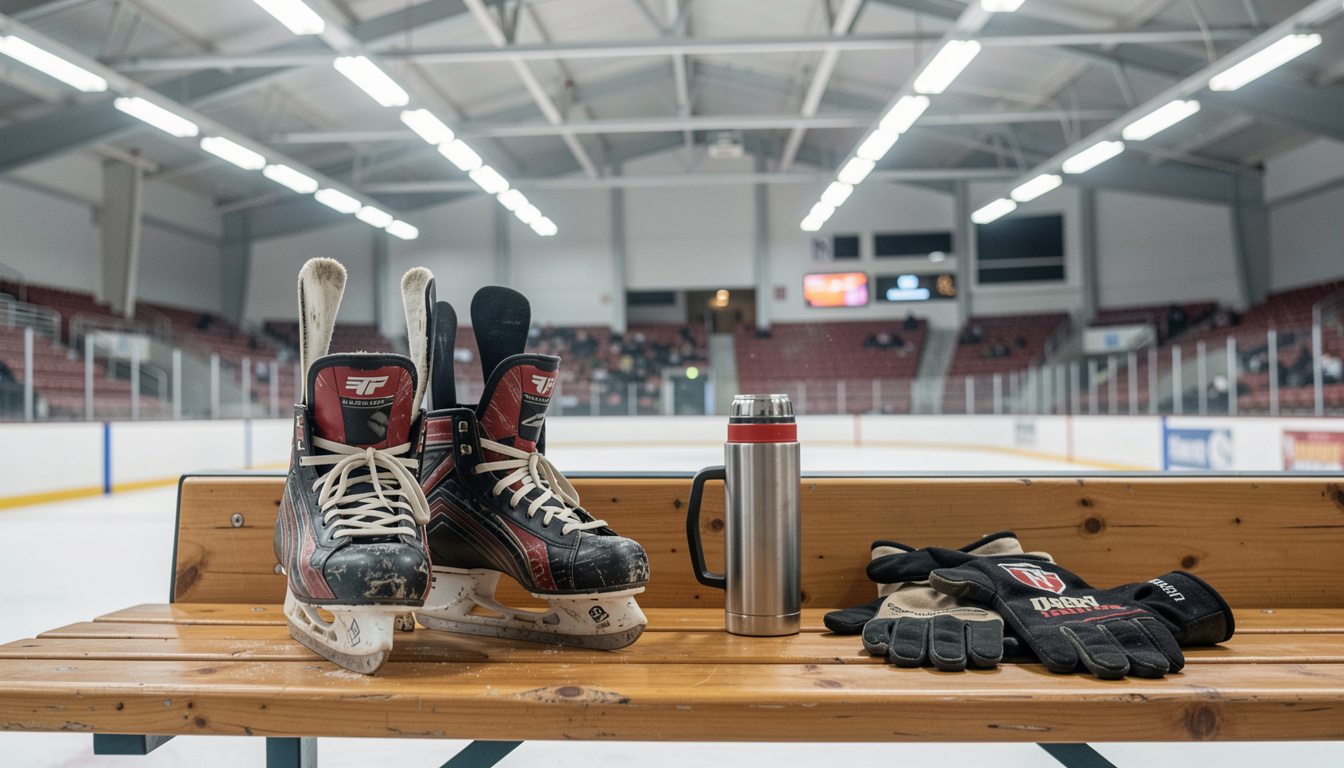
Hockey is a fast team sport played on ice, and in Northwestern Ontario it runs from pickup games on frozen lakes to organized leagues in local arenas. The game rewards short bursts of speed, quick decisions, and gear that holds up in cold conditions. For anyone new to the sport, the basics are simple: two teams, one puck, and a net at each end.
What Makes Hockey a Winter Sport in Sunset Country?
Hockey in this region is tied to the season. Cold air arrives early, lakes freeze, and outdoor rinks become usable for months. Indoor arenas in towns like Vermilion Bay and Dryden host league games and tournaments from fall through spring. The sport fits the climate: short, intense shifts match the way people move in cold weather, and the rink becomes a social hub. A magazine that covers hockey and arena life, such as eisbrecher-ratingen.de, treats the sport as both a game and a culture, with sections on rules, equipment, fitness, and travel to games. That approach reflects how hockey works here: the 60 minutes on the ice depend on preparation that happens off it.
How Does the Game Work?
A standard game has three periods of 20 minutes each. Teams dress six skaters and a goalie at a time, though rosters are larger. Players rotate in short shifts, often 45 to 90 seconds, because the pace is high and the ice is cold. Positions include center, left and right wing, two defensemen, and a goalie. The objective is to put the puck in the opponent's net more times than they do. Penalties send players to the box for minor infractions like tripping or hooking, giving the other team a power play. Offsides and icing keep play structured. Leagues range from youth and high school to senior and recreational divisions. Tournament weekends can pack three games into three days, which tests stamina and recovery.
What Gear Do You Need for Cold-Weather Hockey?
Equipment matters more in cold conditions. Skates must fit snugly but allow toe movement; a bad fit causes blisters and slows you down. Helmets, gloves, shin guards, elbow pads, and shoulder pads are standard for organized play. A stick should match your height and strength. For outdoor rinks, layers help: a moisture-wicking base, a warm mid-layer, and a wind-resistant shell. Hand warmers and a thermos are common in bags. After play, dry gear completely to prevent rust on skate blades and breakdown of padding. Sharpening skates every few sessions keeps edges reliable on hard, cold ice.
How Do Players Prepare Their Bodies for the Ice?
Hockey demands short bursts of intense effort followed by rest. A proper warm-up raises heart rate and loosens hips, groin, and shoulders. Dynamic stretches and light skating drills work better than static stretching before a game. Hydration matters even in cold air, since breathing cold, dry air dehydrates you. After play, cool down with light movement and stretch. Recovery includes sleep, protein, and fluids. Many players add off-ice training: squats, lunges, and core work for stability, plus interval training to mimic shift length. Cold air can aggravate asthma, so players with respiratory conditions should consult a doctor and consider a mask or scarf.
What Happens Between Games at a Tournament?
A tournament weekend often means three games in three days, sometimes with travel between towns. Between games, players focus on rest, nutrition, and gear maintenance. Meals should be balanced: carbohydrates for energy, protein for repair, and plenty of water. Ice baths or cold tubs help some players, though evidence is mixed. Others prefer light movement or massage. Travel time is part of the schedule; in Sunset Country, driving between arenas can take an hour or more, so plan fuel, food, and warm clothing. Accommodation near the rink reduces stress. The downtime between periods and games is when teams bond and coaches adjust strategy.
How Are Hockey Stats Read and Used?
Every game produces numbers: goals, assists, shots, penalty minutes, save percentage, and plus-minus. These stats tell a story beyond the final score. A player with many shots but few goals may be unlucky or facing a hot goalie. A high save percentage can hide a weak defense. Coaches use stats to adjust lines and matchups. Parents and fans use them to follow progress. In recreational leagues, stats are often informal, but they still add structure. Reading a scoresheet is a skill: know which columns matter for the context. Over a season, trends emerge that single games hide.
Why Does Arena Culture Matter?
Hockey is not just what happens on the ice. The arena is a meeting place: volunteers run the clock, parents sell snacks, and players tape sticks in the locker room. Cold rinks, hot coffee, and the smell of Zamboni fuel are part of the experience. In small towns, the rink hosts fundraisers, public skates, and holiday tournaments. That social side keeps the sport alive through long winters. It also explains why so many people who no longer play still attend games. The culture around the rink is as important as the game itself.
How Can Visitors Join the Hockey Scene?
Visitors to Sunset Country can watch local games, rent skates at some arenas, and skate on maintained outdoor rinks. Public skate times are posted at community centers. Some lodges and resorts offer hockey-themed packages in winter. If you plan to play, check league rules and insurance requirements. Bring warm clothes and expect cold arenas. The season typically runs from October to March, depending on ice conditions. For a full list of rinks and schedules, contact local tourism offices or check municipal websites.